
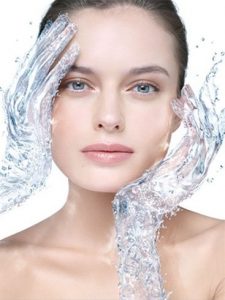
10 Benefits of Glycerin for Oily Skin
10 Benefits of Glycerin for Oily Skin Wrinkles, fine lines,
Wrinkles, fine lines, dry skin, and skin infections – mention all your skin Oily problems, and we have a solution.
Glycerin. Yes, a name that is quite well known in the beauty industry, right?
Many beauty experts take 10 benefits from the knowledge of oily skin are many in number.
This product is known for its extraordinary healing ability, you will find it in almost every skin care product available.
10 benefits of Glycerin for oily skin is suitable for all skin types.
The following is a summary of the 10 benefits of glycerin for oily skin. Check out!
Can Glycerin be Used for Oily Skin?
The answer is yes! Although, many of you might think that glycerin has humectant properties and is only suitable for dry skin conditions.
But actually the benefits of glycerin for oily skint are as good as those used for people with any type of skin.
Glycerin (or Glycerol) is a vegetable oil that was accidentally discovered by a Swedish chemist in 1779 when he was heating a mixture of olive oil.
As a natural product, glycerin is very gentle even on sensitive skin and can help soothe inflamed and reddish skin.
And the best part is, this product is not greasy at all when used and has many benefits for other skins.
benefits of glycerin for oily skin are:
1. Fighting the Signs of Aging Benefits of Glycerin for Oily Skin
Here is one factor that will make many people excited!
Glycerol is the main ingredient in anti-aging products, thanks to its moisturizing properties.
Lack of moisture in the skin will affect the protease activity in your skin, which causes exfoliation as well as accelerates aging.
Glycerin attracts moisture from the environment around you and increases the moisture content of the skin which then inhibits the aging process (1).
2. Is Anti-Irritant Benefits of Glycerin for Oily Skin
Glycerin is very soft on the skin because it is a vegetable substance.
The content treats skin irritations, rashes, as well as itching.
A study conducted on mice without hair found that glycerol can cure skin irritation caused by Sodium Lauryl Sulphate or SLS
(active ingredient in many beauty products) and improve the protective layer of the skin with its anti-inflammatory properties (2).
Glycerin can even soothe irritations caused by other skin problems, such as psoriasis and eczema.
3. Glycerin Can Increase Skin Permeability
Dehydrated skin (due to lack of moisture in the skin or dry weather) is at risk of losing its permeability.
However, by applying glycerin this can be restored to its original state, so that the absorption rate in your skin is maintained (3).
4. Encouraging Cell Maturation System
A study shows that glycerin has the ability to rejuvenate the skin by promoting the maturation of skin cells.
Your skin releases many cells and produces younger cells to replace them.
The top layer of your skin contains mature cells as well ast produce lipids that form a protective layer on the skin.
The efficacy of glycerin here is to help young cells ripen faster so that they will move to the surface of the skin before finally being released (4).
If this process is interrupted, your skin will look dull and dry.
5. Gives You More Smooth Skin
Applying glycerin will make your skin look smoother iinspite of making it oily.
Glycerin is a humectant which means this content will attract moisture from the surrounding environment to keep your skin hydrated and smooth.
6. Increase Skin Elasticity Benefits of Glycerin for Oily Skin
Excessive exposure to UV light can reduce the level of collagen in the skin, causing significant damage.
A study conducted in 2014 found that glycerin, along with other compounds, can maintain the level of elasticity of the skin so it keeps it young (5).
7. Glycerin Helps in Wound Healing and Infection Control Processes
85% glycerin solution has a bactericidal and antiviral effect that facilitates faster wound healing.
A study found that using glycerin in wounds effectively reduced inflammation.
In addition, glycerin-based products are also found as antimicrobials (6).
8. Very Good Toner for Oily Skin
It turns out that glycerin can also be used as a toner for oily skin.
The content in it can keep your skin tight as well as hydrated without triggering excessive sebum production.
9. Can Be Used As A Facial Cleanser
People with oily skin are more prone to acne.
Glycerin has a neutral effect on the skin, so it won’t cause a problem if you use glycerine-based products regularly,
to keep your skin clean and remove all traces of dirt without making it look too dry and stay elastic.
10. Preventing Photoaging Benefits of Glycerin for Oily Skin
Glycerin is a common ingredient found in most commercially available sunscreens because it helps prevent severe damage caused by UV light (7).
Regular application of sunscreen will also improve uneven skin tone caused by sun exposure.
Now you already know why glycerin must be owned in emergency equipment boxes.
Even though you can always buy beauty products that contain glycerin, using it as a separate ingredient for each DIY solution is also allowed.
And if you want to avoid using other chemicals on the skin, so glycerin is the best choice. Here is how to use it.
How to Use Glycerin for Oily Skin
Some ways you can use glycerin for skin:
1. As a Care After Washing Your Face
Wash your face with water and dry it with a towel.
Make sure your face is still slightly moist.
Take a few drops of glycerin on a cotton ball and apply it to the entire face.
Avoid the eye and mouth area.
Let stand for 20-30 minutes.
2. As a Toner
Take a quarter of glycerin and dilute it with half a cup of rose water.
Store in a spray bottle.
Wash your face carefully and spray then the solution on your face.
3. As an Anti-Aging Face Package
Take egg white in a bowl and shake until foamy.
Add one teaspoon of glycerin and honey to it and mix it.
Apply it to your face using your fingertips and let it dry.
Wash with warm water.
4. Moisturizer Benefits of Glycerin for Oily Skin
Take one tablespoon of each Vaseline, vitamin E oil (squeeze capsules), and glycerin.
Mix well and store in a glass container.
Massage into your skin before going to bed and leave it overnight.
Note: Use in small quantities.
5. Black spots Reducing Benefits of Glycerin for Oily Skin
Mix each tablespoon of milk and glycerin.
Apply to your skin and let it dry.
Clean with a damp cloth.
6. Minor burns Benefits of Glycerin for Oily Skin
Apply dilute glycerin directly to the affected area so that it can stand for 20 minutes.
Wash thoroughly with cold water.
Repeat the process as needed.
7. For Rashes and Inflammation
Take one teaspoon of beeswax, half a cup of shea butter, and a
quarter cup of coconut oil. Mix well. You can also melt it.
Add two tablespoons of glycerin (after the mixture is cool) and mix well.
Beat the whole mixture with a blender until it turns soft.
Store in a glass jar and apply to the rash.
Although glycerin is very gentle and relatively safe to use on the skin, there are several precautions you need to take.
Prevention Advice Before Using Glycerin
Test the skin. Yes, even though glycerin is not toxic, NEVER use it on the skin without testing its compatibility.
Always mix glycerin with other ingredients before applying.
If you only use glycerin, dilute it with rose water or distilled water. Never use more than needed.
Glycerin tends to make your skin a little sensitive to sunlight so that is not suitable.
So, after using glycerin on your face, don’t forget to apply sunscreen if you are going to do outdoor activities.
Avoid mixing glycerin with sticky lotions and creams because it may feel sticky and heavy on your skin.
Glycerin is an amazing ingredient for oily skin when used with caution.
In addition this product is also available in stores. So, please try the DIY recipe for your skin,
because we are sure that the results will surprise you (in a positive way, of course)!
If you have other tricks for using glycerin, share with us in the comments column below.
